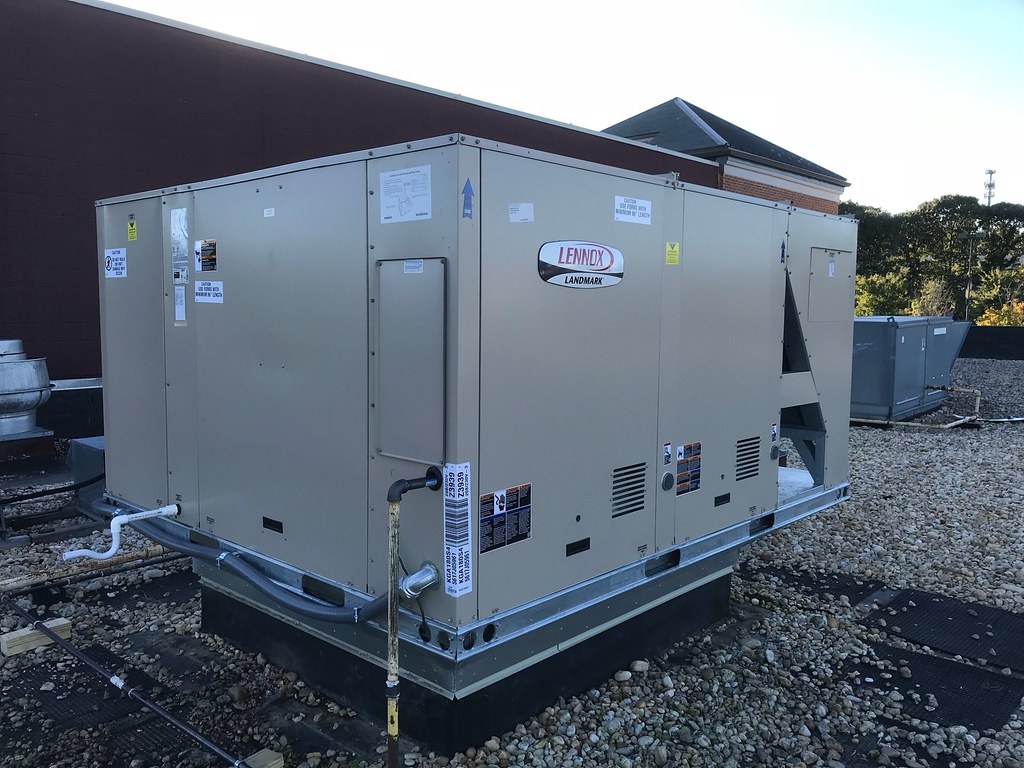
Every few winters, a cold front drops into the Gulf South or the Southeast and does more damage in 48 hours than a mild hurricane. It's rarely the temperature itself — it's that buildings designed for 95-degree summers simply weren't built with freeze protection in mind. Pipes run exposed in attics and exterior chases instead of insulated interior walls. Rooftop units have no provision for ice. Irrigation backflow preventers sit above grade, uncovered, because nobody ever expected them to need it.
Northern buildings assume winter. Southern buildings assume they'll get a pass. When they don't, the damage shows up all at once, across every site in a portfolio, on the same night — which is exactly the kind of event that overwhelms a facilities team that's staffed and vendored for everyday wear and tear, not a coordinated freeze.
Why one cold night becomes a multi-site crisis
A single freeze event doesn't hit one location — it hits all of them, simultaneously, often in the same 12-to-24-hour window. That changes the math completely:
- Every vendor is already booked. Plumbers and HVAC techs in Southern markets don't carry freeze-response capacity the way they do in Chicago or Minneapolis. When 40 of your locations need a tech on the same night, you're competing with every other property owner in the region for the same small pool.
- Pipe bursts don't announce themselves immediately. A frozen supply line often doesn't fail until the thaw, which means the worst damage — flooded sales floors, soaked inventory, ruined drywall — frequently happens a day after the temperature drops, catching teams who thought they'd dodged it.
- Backflow preventers and exterior fixtures are the most commonly missed. These sit outside the building envelope by design and are almost never on a standard PM checklist in a warm climate.
The pre-storm checklist (48–72 hours out)
When a hard freeze is forecast, the sites that come through clean are the ones that acted before the temperature dropped, not after:
- Drip faucets and exposed exterior fixtures. A slow, steady drip keeps water moving through pipes most at risk — exterior hose bibs, irrigation lines, any plumbing run through an unheated space.
- Insulate or wrap exposed pipe and backflow assemblies. Foam pipe insulation and simple insulated covers on backflow preventers are cheap and fast; replacing a cracked assembly after a freeze is not.
- Confirm HVAC systems are actually heating, not just running. A rooftop unit that short-cycles or has a failed heat strip won't be obvious until the building is cold enough for pipes near exterior walls to be at risk too.
- Check that irrigation systems are shut down and drained, not just paused. An active irrigation line with no insulation is one of the most common freeze failures in Southern commercial properties.
- Identify which sites have a documented history of freeze issues. If a location had a pipe burst in a prior cold snap and the underlying exposure was never corrected, it will fail again. Flag those sites for priority attention before the storm, not after the second claim.
What separates a clean night from a flooded one
The portfolios that come through a freeze event without major losses generally share one thing: a pre-storm push that happens on a schedule, not an improvised scramble once the forecast changes. That means a single point of contact pushing the checklist to every site, a vendor relationship that's already in place before the emergency call volume spikes everyone else's hold times, and — critically — documentation of what was done at each site, so that if something does fail, you're not also fighting an insurance claim with no proof of preventive action.
The sites that get hit hardest are almost always the ones where freeze prep is "whoever remembers," not a standing seasonal procedure. A forecast alert should trigger the same checklist every year, across every location, automatically — not depend on a regional manager personally recalling that the Dallas stores need attention this time.
Build the response plan before you need it
A hard freeze in the South is a when, not an if — most multi-site operators in the region have already lived through at least one. The fix isn't more plumbing budget; it's a standing playbook: a pre-storm checklist pushed to every site 48–72 hours out, a vendor bench that isn't scrambling to find capacity at the worst possible moment, and documentation that protects you if a claim follows anyway.
Want a facilities partner who pushes the freeze checklist to every site automatically and has vendor capacity standing by before the cold front arrives — not after? Reach out to VXO Services or request service anytime through the client portal.