Every facilities conference for the past few years has carried the same message: preventive maintenance is old news, and predictive maintenance — sensors, analytics, AI-driven failure forecasts — is the future. The pitch is compelling. Why change belts on a schedule when a vibration sensor can tell you the exact bearing that's about to fail?
The honest answer for most multi-site operators: both approaches save money, but on different assets, at different scales, and with very different upfront commitments. Choosing wrong in either direction burns budget. Here's how to think it through.
First, the Definitions That Actually Matter
Preventive maintenance (PM) is calendar- or runtime-based: filters quarterly, coil cleanings twice a year, belt inspections on a set cadence. You service equipment whether or not it shows symptoms, because the cost of the visit is small compared to the cost of the failure.
Predictive maintenance (PdM) is condition-based: sensors or inspections monitor the actual state of the equipment — vibration, amperage draw, discharge temperature, refrigerant pressure trends — and you intervene only when the data says a failure is developing.
The distinction sounds academic until you price it. PM costs you technician visits, some of which turn out to be unnecessary. PdM costs you hardware, connectivity, software subscriptions, and someone who actually watches the dashboards — and then technician visits on top of that.
Where Preventive Maintenance Wins
For the bulk of equipment in a retail, restaurant, or office portfolio, scheduled PM remains the better financial bet:
- Low-cost, high-count assets. Exhaust fans, small split systems, ice machines, door hardware. Instrumenting a $4,000 asset with $800 of sensors and a subscription rarely pencils out.
- Failure modes driven by dirt and wear. Clogged condenser coils, loaded filters, greased-over kitchen exhaust — these degrade on predictable curves. A calendar handles them fine, and no sensor cleans a coil.
- Compliance-driven work. Hood cleaning, backflow testing, fire and life safety inspections. These run on regulatory schedules regardless of equipment condition.
- Portfolios without data infrastructure. If your sites don't have reliable connectivity, asset tagging, and a system that turns alerts into dispatched work orders, predictive data becomes noise nobody acts on.
Industry data consistently shows that the biggest maintenance savings for multi-site operators still come from a basic step: moving from reactive (run-to-failure) to a disciplined PM program. That single shift typically cuts emergency calls and extends equipment life more than any technology layer added afterward.
Where Predictive Maintenance Earns Its Keep
PdM pays off where failures are expensive, disruptive, or dangerous — and where the asset is worth instrumenting:
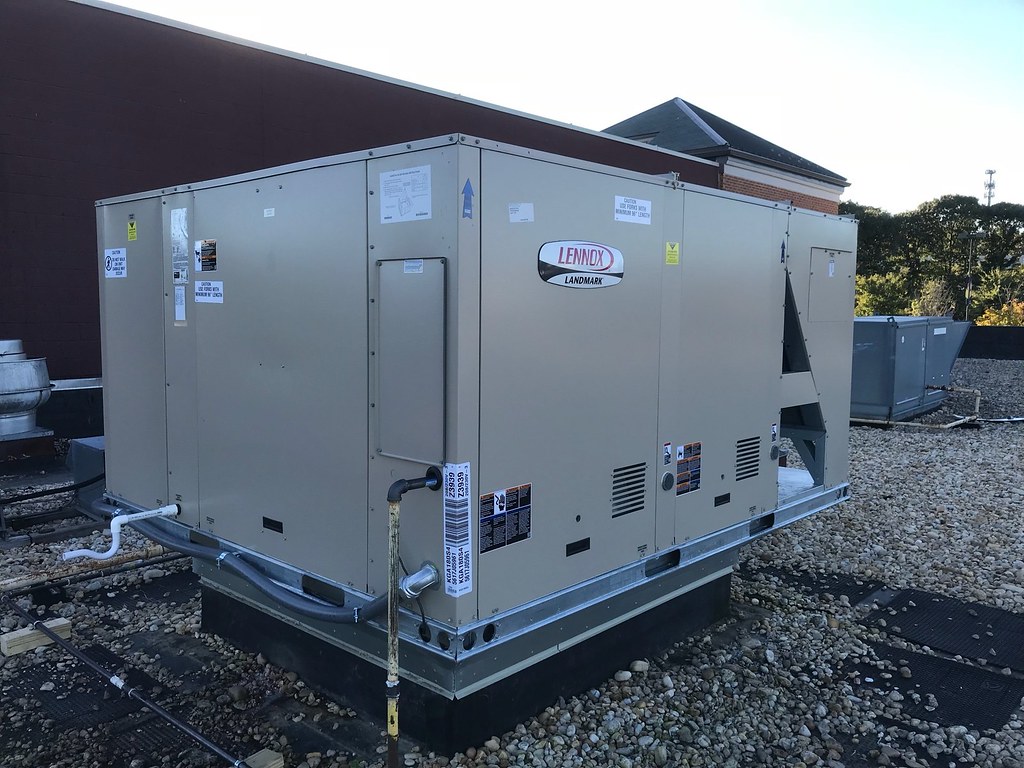
- Rooftop HVAC fleets. Trend data on amp draw, run hours, and discharge temps across 50+ identical units surfaces the outliers early. Catching a failing compressor before it dies in July avoids both a five-figure emergency and lost sales in a hot store.
- Refrigeration with inventory at stake. A walk-in cooler failure isn't a repair cost — it's a repair cost plus thousands in product loss plus potential health department attention. Temperature monitoring here is cheap insurance, and arguably table stakes.
- Critical single points of failure. The one chiller serving a medical office, the sole grease interceptor pump, the main electrical gear. Anywhere "down" means "closed," condition monitoring is worth the spend.
- After-hours failure costs. If a failure at 2 AM triggers emergency rates and overnight downtime, early warning that converts the fix into a scheduled daytime visit pays for the sensor many times over.
Note what these have in common: high failure cost relative to monitoring cost. That ratio — not the sophistication of the technology — is the entire business case.
The Hybrid Answer Most Operators Should Land On
In practice, the question isn't "predictive or preventive." It's "which assets get which treatment." A workable tiering for a 20–100 site portfolio:
- Tier 1 — monitor: walk-ins, reach-in refrigeration with product exposure, critical HVAC, anything where failure closes the site. Temperature and runtime monitoring at minimum.
- Tier 2 — schedule: all remaining HVAC, plumbing, electrical, and building envelope work on a documented PM calendar with photo close-outs.
- Tier 3 — run to failure, deliberately: genuinely cheap, redundant, or end-of-life assets where a planned replacement beats any maintenance spend. The key word is deliberately — decided on paper, not by neglect.
Then use your work order history as the feedback loop. If a specific unit or site keeps generating tickets, it's telling you it belongs in a higher tier — or on the capital replacement list.
One Warning Before You Buy Sensors
The most common predictive maintenance failure isn't the technology — it's the response chain. A dashboard that flags a failing compressor saves nothing if the alert sits unread, or if there's no vendor who can be on the roof within a day. Before investing in monitoring, make sure the boring part works: a vendor network with coverage in every market, dispatch that moves without phone tag, and documentation that closes the loop. Data without execution is just a more expensive way to watch things break.
Whether your portfolio needs a tighter PM calendar, condition monitoring on critical assets, or vendors who actually respond when the alert fires, VXO manages HVAC, plumbing, electrical, and general repair for multi-site operators nationwide — with a single point of contact. Reach out to our team or request service anytime through the VXO client portal.