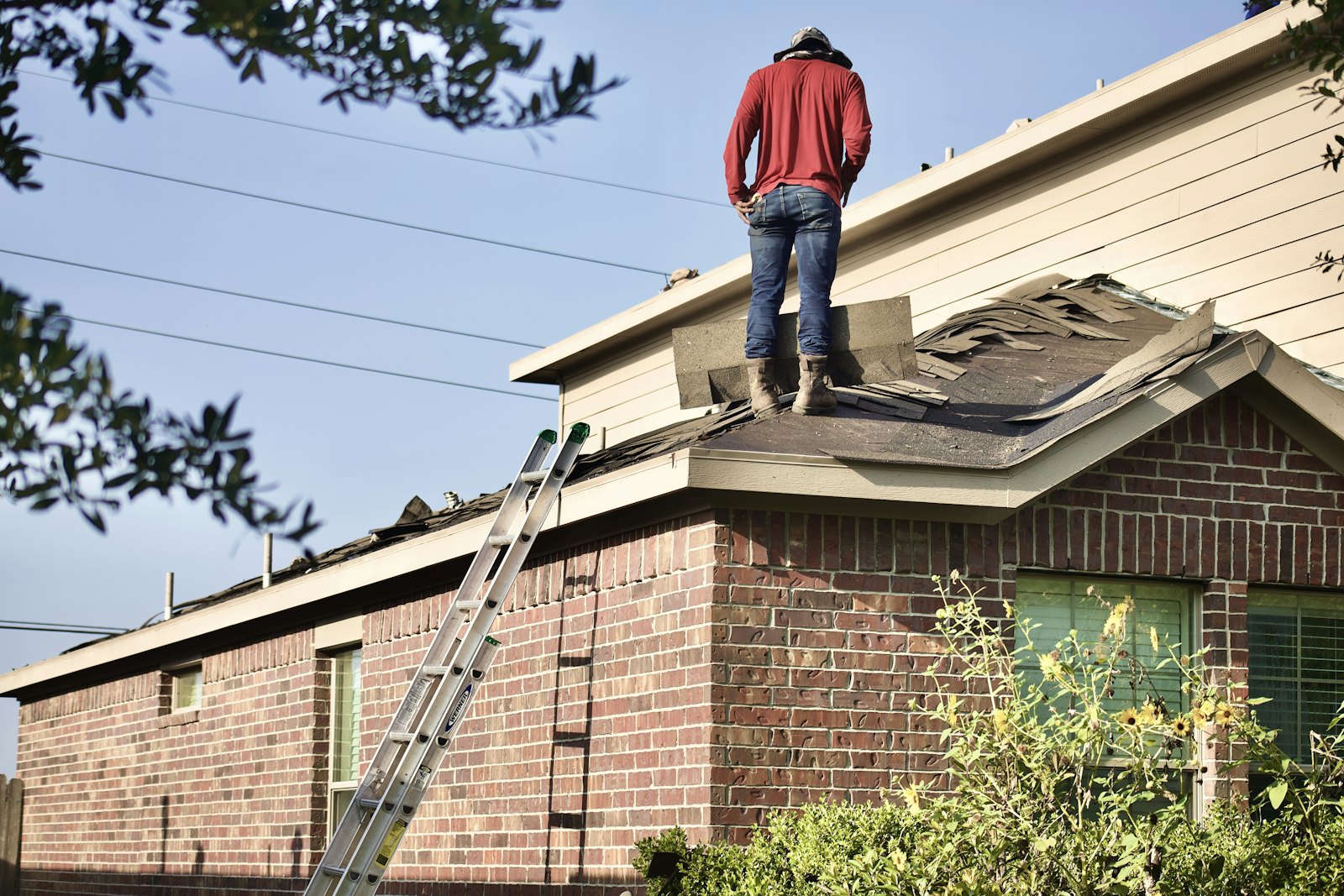
Most hurricane prep guides for commercial properties start and end with water: backflow preventers, sump pumps, drain lines. Those matter — we covered them in our commercial plumbing hurricane guide earlier this season. But when facility managers walk their sites after a storm, the expensive damage is rarely under the slab. It's on the roof, hanging off the facade, or sitting in a dark building because the generator that "should" have started didn't.
With peak Atlantic hurricane season here, this is the checklist for everything above the waterline.
The Roof: Your Biggest Exposure
Roof damage drives more commercial storm claims than any other building system, and most of it is preventable at the edges — not the field.
Walk it now, not after the watch is issued. Once a storm is named and tracking toward you, roofers are booked. Schedule an inspection while the radar is clear and focus on:
- Edge metal and coping. Wind failures almost always start at the perimeter. Loose coping, lifted edge metal, or deteriorated fasteners give wind a place to get under the membrane and peel it back.
- Penetrations and curbs. Check flashing around HVAC curbs, vents, and skylights. A rooftop unit with a compromised curb becomes both a leak path and a projectile risk.
- Drains and scuppers. A roof that can't shed water during a 10-inch rain event will find the weight limit of its deck. Clear every drain, strainer, and scupper — then confirm overflow drains actually work.
- Loose equipment and debris. Anything not mechanically fastened — spare pavers, abandoned satellite mounts, stacked materials from the last repair — comes off the roof now.
Document the walk with photos. If you do file a claim later, dated pre-storm photos of a sound roof are the difference between a smooth adjustment and a fight over "pre-existing conditions."
Signage: The Liability Hanging Over Your Parking Lot
Exterior signage is the most commonly ignored item in storm prep, and it's the one most likely to hurt someone. Pylon signs, channel letters, and awnings all become wind hazards when their anchors, welds, or cabinets have quietly corroded.
Before a storm:
- Inspect anchor points and cabinet seams on pylon and monument signs. Rust streaks at the base are a red flag.
- Check awnings and canopies for torn fabric and loose frames — a partially detached awning does more facade damage flailing in the wind than it would if it simply came off.
- Remove or secure banner signage, flags, and temporary displays. Tenants forget these; put them in your tenant storm notice.
- Photograph everything. Same logic as the roof: proof of condition protects you on both insurance and liability fronts.
If a sign fails and injures someone or damages a car, your maintenance records will be exhibit A. Industry claims data consistently shows that documented inspection programs materially change liability outcomes.
Generators: Test Under Load or Assume It Fails
The generator that runs fine during a five-minute weekly exercise cycle and dies twenty minutes into a real outage is a cliché in this industry because it happens constantly.
- Run a load bank test — not just a no-load exercise. Wet stacking, weak batteries, and fuel problems only show up under real load.
- Verify fuel quality and quantity. Diesel degrades. If the tank hasn't been polished or tested in a year, do it now, and confirm your fuel delivery contract actually guarantees priority during a declared emergency (many don't).
- Test the transfer switch. A healthy generator behind a failed ATS is a very expensive lawn ornament.
- Confirm what's actually on the emergency panel. Managers are routinely surprised to learn the walk-in cooler, sump pumps, or security system were never wired to backup power.
For sites without permanent generators, decide now where portable units would connect, and get quotes for rental units before demand spikes.
Staging Vendors Before You Need Them
The hardest part of post-storm recovery isn't scope — it's access to labor. After a major storm, every roofer, electrician, and restoration crew within 200 miles is committed within 48 hours.
Multi-site operators should:
- Confirm emergency contacts and after-hours numbers for every critical trade, per region.
- Pre-authorize NTE limits for storm response so approvals don't bottleneck at 2 AM.
- Verify COIs are current for any vendor you'd deploy — insurance problems don't pause for disasters.
- Sequence the response: make-safe and dry-in first, documentation second, permanent repairs third.
Sites with pre-arranged vendor relationships consistently get dried-in days faster than those calling around after landfall — and in water damage, days are the whole game.
The 72-Hour Countdown
When a storm is inside three days: secure roof debris and signage, top off generator fuel, photograph all four elevations and the roof of every site, distribute tenant notices, and confirm your vendor call tree. Everything structural should already be done — the final 72 hours are for execution, not discovery.
VXO coordinates storm preparation and emergency response for multi-site commercial properties across HVAC, roofing, electrical, and plumbing — with vetted local vendors and one point of contact. Get ahead of the season: reach us at vxoservices.com/#contact or submit a work order through the VXO client portal.