If you manage five locations in one metro, winterization is a checklist. If you manage sixty locations from Miami to Minneapolis, it's a logistics problem — and the biggest mistake national operators make is treating it like the first kind.
A single winter playbook applied uniformly across a diverse footprint either over-prepares your warm-climate sites (wasted budget) or under-prepares your cold-climate sites (real risk) — and worse, it usually misses the sites that are the most exposed of all: the ones in between, built for a climate they don't quite get anymore.
Here's how to think about winterization when your portfolio spans climate zones instead of just spanning square footage.
Segment your portfolio by exposure, not by region name
"Northeast" and "Southeast" are marketing regions, not risk categories. What actually matters is how a building was designed relative to the weather it now needs to survive:
- Cold-climate sites (built for winter, routinely see sustained sub-freezing temps): your risk is mostly about capacity and maintenance discipline — is the heating system sized correctly, serviced on schedule, and are drains/gutters clear before the first snow load hits.
- Sun Belt sites (built for heat, occasionally see freezes): your risk is almost entirely about equipment and pipework that was never designed for freeze protection at all — exposed plumbing, unlagged rooftop lines, single-pane storefront glazing, HVAC units with no low-ambient controls.
- Transitional sites (see real winter, but not brutal winter — think mid-Atlantic, parts of Texas, the Carolinas): these get the least attention and cause the most surprises, because staff and vendors assume "it's not that cold here" right up until a hard freeze proves them wrong.
Pull a list of every site by these three buckets before you write a single work order. The playbook for each is different, and a generic corporate memo that says "please winterize your location" gets you nothing but liability if something fails.
What actually needs attention, by bucket
Cold-climate sites:
- Confirm heating system service was completed before the season, not scheduled around it — filters, ignition components, and controls checked while a tech can still get a part shipped in two days instead of two weeks.
- Roof drains, scuppers, and gutters clear of debris before the first snow event; a clogged drain under snow load is how flat commercial roofs fail.
- Walk-off mats and ice-melt protocols at entrances — this is the single most common slip-and-fall driver in winter months, and it's the cheapest thing on this list to fix.
- Exterior signage and lighting checked for ice/wind damage risk before storms, not after.
Sun Belt sites (the ones people forget):
- Any exposed exterior plumbing — hose bibs, backflow preventers, rooftop condensate lines — needs freeze protection (insulation, heat tape, or a shutoff plan) before the first hard freeze warning, not during it. These systems fail fast and expensively when they're not built for freeze cycling.
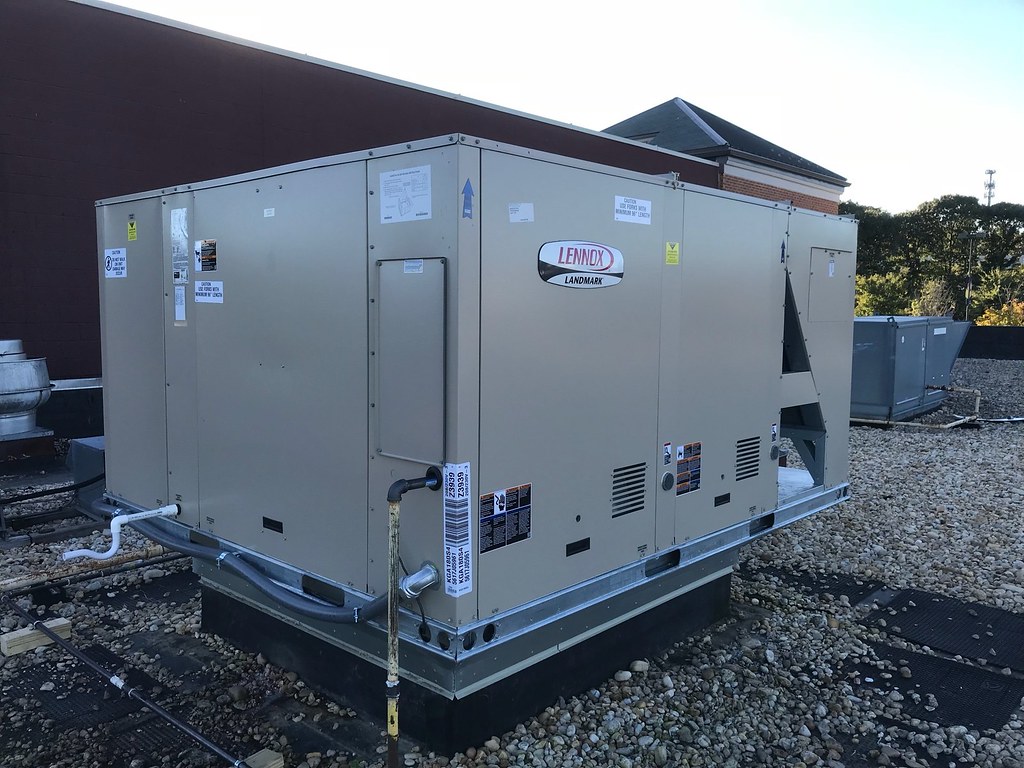
- Rooftop HVAC units in warm climates often lack low-ambient kits; a cold snap can trip units offline or damage compressors designed to run in a narrower temperature band.
- Storefront glazing and door seals built for heat, not cold, can let enough infiltration in that a "mild" freeze event still causes pipe issues inside walls.
- These sites usually don't have a standing vendor relationship for emergency freeze response — confirm you have one lined up before the forecast, not during it.
Transitional sites:
- Treat these like cold-climate sites for the plumbing and roof-drain items, and like Sun Belt sites for the "does staff actually know the freeze protocol" question. They need both checklists, not a blended, watered-down version of each.
The coordination problem is the real problem
None of this is complicated in isolation. What makes it hard at scale is timing and vendor coverage across dozens of markets simultaneously. A national freeze event doesn't hit one site — it hits every exposed site in its path on the same 48-hour window, and every operator with exposed plumbing is calling the same handful of plumbers at once.
The operators who come through a cold snap clean did three things before the forecast turned:
- Segmented their portfolio by actual freeze exposure, not regional assumptions.
- Pre-positioned vendor coverage in markets that don't normally need freeze-response trades, so they're not competing for the same three plumbers as every other national chain when a storm rolls through.
- Pushed a site-specific checklist to store managers — not a generic corporate memo — so the person actually walking the building knows what to check and when.
Put a date on it
Winterization isn't a task, it's a deadline. Pick a date by climate bucket — early November for cold-climate sites, early December for transitional, and "before the first freeze watch of the season" for Sun Belt sites — and treat it as a hard cutoff, not a suggestion. The cost of doing this work in October is a work order. The cost of skipping it is a burst pipe, a closed store, and an insurance claim in January.
Managing winterization across a footprint that spans climate zones is exactly the kind of logistics problem VXO exists to solve — one dispatch system, one vendor network, coverage in markets you don't have relationships in yet. Talk to VXO about building a winter-readiness plan across your portfolio, or log in to the VXO client portal to see how site-specific work orders flow in real time.