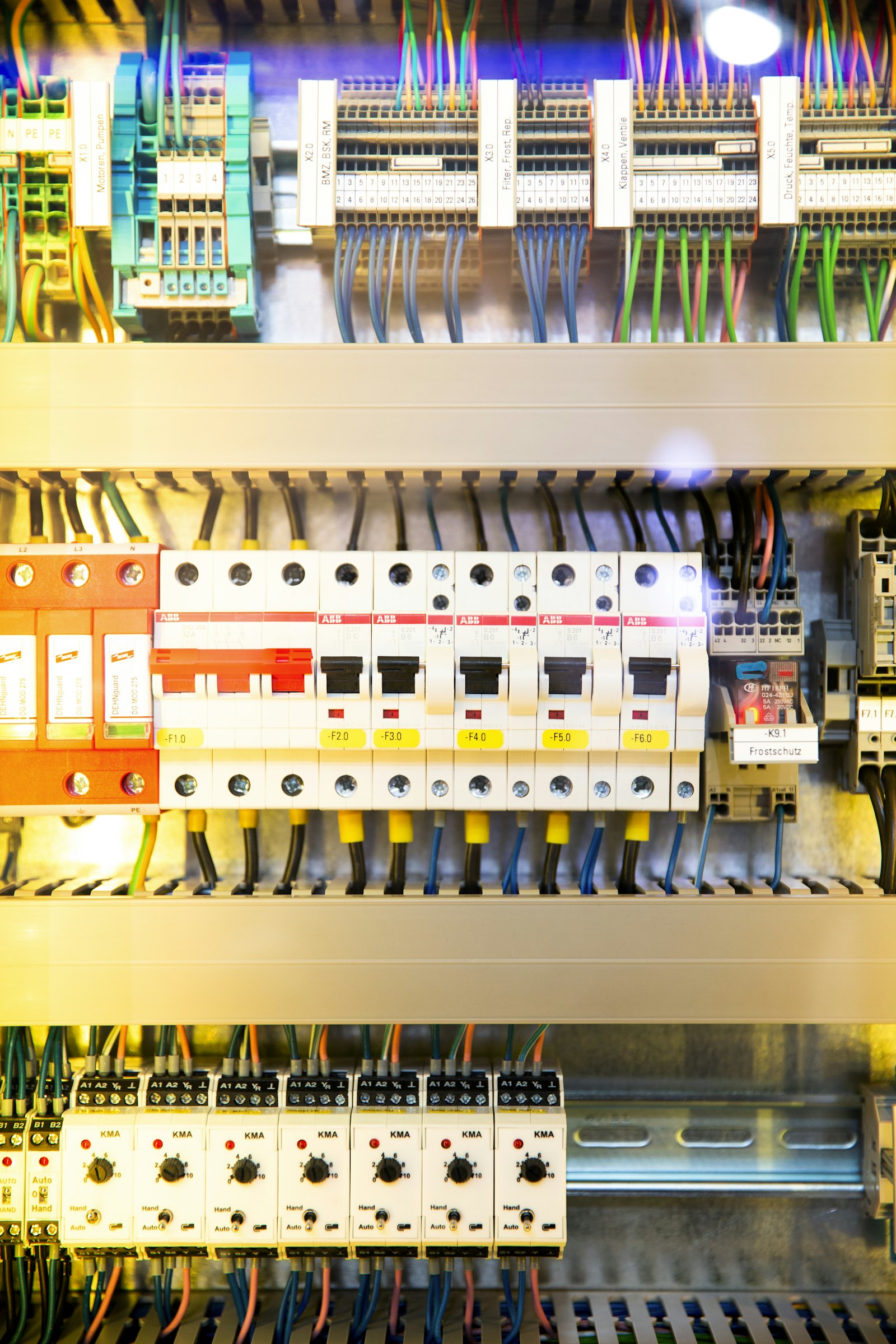
If your work orders feel slower to close than they did a few years ago, you're not imagining it. Across HVAC, electrical, plumbing, and roofing, the commercial repair market is running into the same constraint: there aren't enough qualified technicians to go around, and the pipeline of new ones isn't keeping pace with retirements.
For a facilities or property manager responsible for dozens of locations, this isn't an abstract labor-market story. It shows up as a rooftop unit that waits four days for a diagnosis, an electrician who no-shows because a bigger job ran long, and a re-roof quote that expires before ownership approves it. Here's what's actually happening — and what you can do about it.
Why the Gap Keeps Widening
The trades shortage isn't new, but several forces are compounding it in 2026:
- Retirements are outrunning replacements. A large share of licensed journeymen and master tradespeople are at or near retirement age, and for years the industry has consistently reported far more openings than qualified applicants. When a 30-year commercial HVAC tech retires, the replacement is often someone with a fraction of the diagnostic experience.
- Construction is competing for the same people. Data centers, industrial projects, and infrastructure work are absorbing electricians and mechanical trades at premium wages. Service and repair companies — the ones who fix your stores — are often outbid for talent by new-construction payrolls.
- The work got more technical. Modern rooftop units, building controls, EV charging equipment, and the new refrigerant generation all demand more training, not less. The bar for a "qualified" tech keeps rising while the pool shrinks.
- Licensing is a bottleneck by design. Electrical and mechanical licenses take years of documented hours. Even aggressive apprenticeship programs launched today won't produce seasoned commercial techs until the end of the decade.
None of this resolves quickly. Treat tight technician supply as a planning assumption for the next several years, not a temporary disruption.
How It Hits Your Repair Timelines
The shortage doesn't affect all work equally. Expect the squeeze in predictable places:
Diagnostic visits stretch first. Vendors protect their committed install and contract work; one-off diagnostic calls are what slips. If a vendor is short-staffed, your "we'll get someone out there" window quietly moves from 24 hours to three or four days.
Specialized trades are the worst. Commercial refrigeration, controls technicians, and licensed electricians for service work are the hardest calls to fill in most markets. Generalist handyman work remains comparatively available.
After-hours coverage gets thin. Overtime is the first thing an understaffed shop rations. If you haven't confirmed a vendor's genuine after-hours capacity recently, don't assume the answer from two years ago still holds.
Quotes age faster. Between labor costs and busy backlogs, proposals that used to hold for 60–90 days now often carry 30-day validity. Slow internal approvals increasingly mean re-quoting — and re-queuing.
What Smart Operators Are Doing About It
You can't fix the labor market, but you can stop being the customer who feels it worst. Vendors triage. The goal is to be the account they protect.
1. Build bench depth in every market. One vendor per trade per region was always fragile; in a tight labor market it's a guaranteed outage. You need a primary and at least one qualified backup for each core trade in each market — vetted before you need them, not during the emergency.
2. Be a good customer, deliberately. Fast approvals, clear scopes, accurate site access info, and on-time payment move you up a busy shop's queue more reliably than any contract clause. Techs and dispatchers remember which accounts waste their trips.
3. Lock in rates and response terms early. Emergency rate cards and written response-time expectations, negotiated calmly in advance, beat whatever you'll be offered at 2 AM in a market where every shop is already busy.
4. Reduce demand with real preventive maintenance. Every avoided emergency is a repair timeline you no longer worry about. Coil cleanings, drain jetting on a schedule, roof inspections before storm season — boring, scheduled work is the cheapest hedge against scarce emergency labor.
5. Kill phone tag in your dispatch process. When technician hours are the scarce resource, administrative friction is pure waste. Work orders with complete details, photos, and asset history mean the tech who does show up fixes it on the first trip instead of the second.
Set Expectations Internally, Too
Part of managing the shortage is managing your own stakeholders. If operations leadership still expects 2021-era response times on specialized trades, every ticket becomes a fire drill. Share realistic response benchmarks by trade and priority, and reserve true emergency escalation for genuine emergencies — crying wolf burns exactly the vendor goodwill you now need most.
The trades gap is a structural feature of this decade. The operators who navigate it well won't be the ones with the biggest budgets — they'll be the ones with deep vendor benches, disciplined preventive programs, and dispatch processes that respect a technician's time.
If building that bench across dozens of markets sounds like a full-time job, that's because it is — and it's ours. VXO manages HVAC, plumbing, electrical, and general repair for multi-site operators nationwide, with vetted local vendors and a single point of contact. Reach out to our team or request service anytime through the VXO client portal.