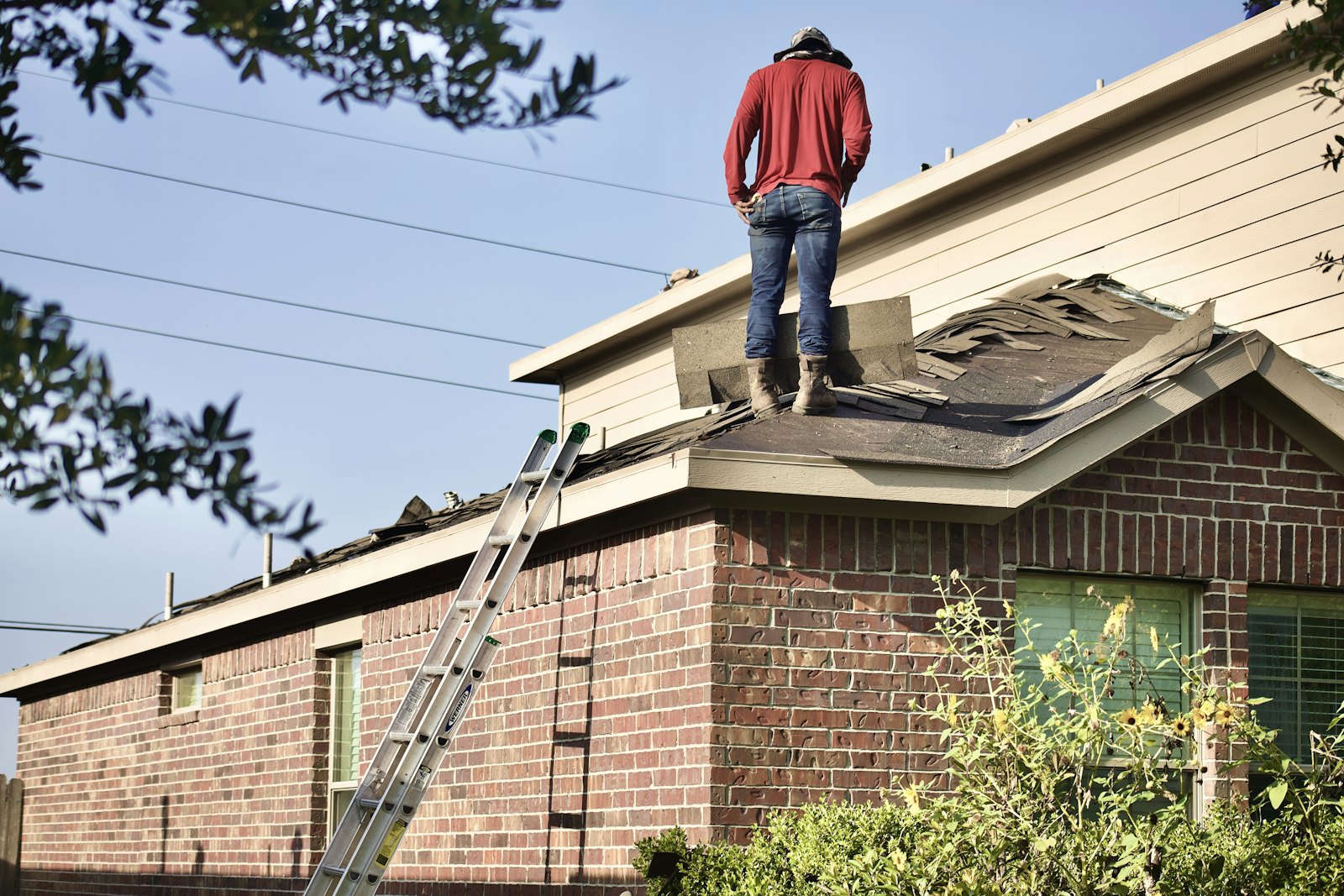
A ceiling tile sags, water hits the sales floor, and within an hour two people are pointing at the same lease with opposite conclusions. Roof leaks generate more landlord-tenant friction than almost any other facility issue in retail — because the water shows up inside the tenant's space, but the failure almost always starts on the landlord's roof.
If you manage properties or locations under triple-net (NNN) leases, here's how responsibility actually tends to break down — and the operational habits that keep a leak from becoming a legal file.
The default logic of a triple-net lease
"Triple net" means the tenant pays taxes, insurance, and maintenance on top of rent — but maintenance of what is where the arguments live. In most NNN retail leases:
- Structure and roof membrane stay the landlord's responsibility. The deck, membrane, flashing, and structural elements are typically classified as capital items or "structure," carved out from the tenant's maintenance obligations.
- Everything inside the box — interior walls, ceilings, flooring, fixtures — is usually the tenant's problem to maintain and repair.
- Rooftop equipment is the gray zone. The tenant's HVAC unit sits on the landlord's roof. If a bad curb, an abandoned penetration, or a sloppy equipment install causes the leak, responsibility follows the cause — which is exactly why these disputes get messy.
An "absolute NNN" lease can push even roof and structure onto the tenant, which is common in single-tenant, freestanding deals. Multi-tenant plazas almost never work that way. The only answer that matters is in your lease — read the repair, maintenance, and casualty sections before you need them.
Where the fights actually start
After years of coordinating roof, HVAC, and interior repairs across multi-site portfolios, we see the same handful of flashpoints:
1. The leak came from an HVAC penetration. The landlord owns the roof; the tenant owns the rooftop unit. When a leak traces back to failed flashing at the tenant's curb or a condensate line dumping onto the membrane, landlords argue the tenant's equipment caused the damage. Tenants argue the roof should have handled it. Whoever has photos and service records usually wins.
2. Deferred maintenance vs. sudden failure. Landlords are typically obligated to repair the roof, but tenants often eat their own interior damage unless they can show the landlord knew about the condition and sat on it. A tenant who reported ponding or stained tiles in writing three times before the ceiling came down is in a very different position than one who never opened a ticket.
3. Interior damage and lost inventory. Even when the landlord repairs the roof, most leases don't make them an insurer of the tenant's contents. That's what the tenant's property policy is for — and why waiver-of-subrogation clauses exist. Expect each side's insurance to carry its own losses more often than either party expects.
4. Unauthorized roof access. A tenant's low-bid contractor walks the roof to service a unit, punctures the membrane or voids the roof warranty, and now a $400 service call is a five-figure dispute. Many leases require landlord-approved roofers for any penetration work — and roof warranty terms usually demand it too.
The habits that prevent the dispute
The pattern in almost every ugly roof-leak fight is the same: nobody can prove what happened or when. The fix is operational, not legal.
- Report everything in writing, immediately. A leak reported through a tracked work-order system — with a timestamp and photos — establishes notice. Notice is the hinge that most landlord-liability questions swing on.
- Photo-document before, during, and after. Interior damage, the roof condition above it, and the completed repair. If the cause was a clogged drain versus a failed seam versus an HVAC curb, the photos say so.
- Keep roof and HVAC service history in one place. When you can show the RTU was serviced on schedule and the condensate line was routed correctly, "your equipment caused it" conversations end quickly.
- Use approved, insured vendors on the roof. Verify the roofer's license and COI, and check whether the roof is under warranty before anyone cuts into it. An uninsured vendor on a roof is how a maintenance issue becomes a liability issue.
- Know your lease before the storm. Flag which sites are absolute-net, which have roof carve-outs, and who holds the roof warranty. Ten minutes per lease, once, beats a week of arguing in October.
When the water is already falling
Sequence matters: stop the water (tarp or temporary patch), document everything, protect inventory and equipment, notify the landlord or tenant in writing, then repair — with the cause documented before the evidence gets hauled away in a debris bag.
Tenants and landlords who share a single source of truth — one system where the ticket, photos, vendor, and close-out live together — rarely end up in these fights at all. The record settles the question before anyone calls a lawyer.
VXO Services coordinates roofing, HVAC, and interior repairs for multi-site commercial portfolios nationwide — every job tracked with photo-verified close-outs, COI-checked vendors, and a service history you can actually hand to a landlord, tenant, or adjuster. Get in touch or submit a ticket if you're already a client.