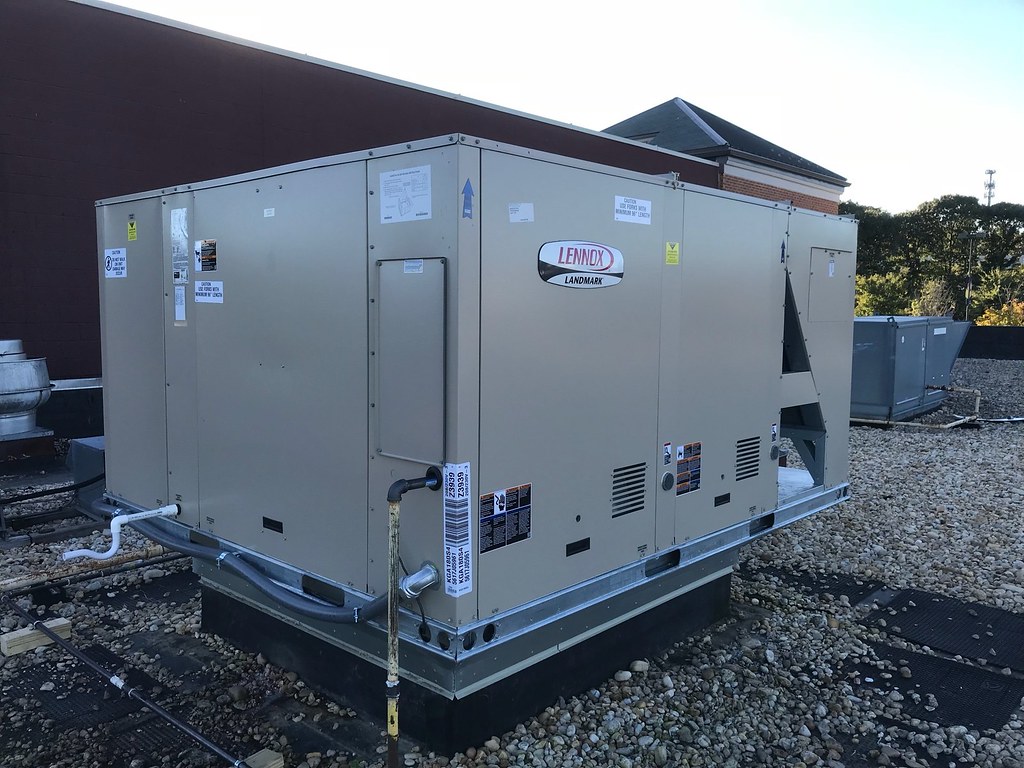
If you manage HVAC across ten, fifty, or a hundred locations, the refrigerant sitting inside your rooftop units just became a line item you can't ignore. The industry is in the middle of its biggest refrigerant transition since R-22 was phased out — and this time the timeline is compressed, the replacement refrigerants behave differently, and the cost implications land squarely on operators with aging equipment fleets.
Here's what's happening, why it matters, and what to actually put in your 2026–2027 budget.
What changed, in plain English
Under the AIM Act, the EPA is phasing down hydrofluorocarbons (HFCs) — the family of refrigerants that includes R-410A, the workhorse in most commercial rooftop units and split systems installed over the last two decades. As of January 1, 2025, new air conditioning equipment can no longer be manufactured with R-410A. The industry's replacement of choice for most light commercial equipment is R-454B, a lower-global-warming-potential blend (some manufacturers went with R-32 instead).
Two things make this transition different from the last one:
- R-454B is mildly flammable. It's classified as an A2L refrigerant, which means new equipment designs, leak detection sensors, updated handling procedures, and technician training requirements. It's safe when installed and serviced correctly — but "correctly" now has more rules attached.
- The supply squeeze on R-410A is already here. Production allowances shrink every year under the phasedown schedule. Existing equipment can still be serviced with R-410A, but industry data consistently shows recovery-and-recharge costs climbing as supply tightens — the same pattern operators lived through with R-22, where a routine leak repair eventually carried a four-figure refrigerant bill.
Why multi-site operators feel this more than anyone
A single-building owner deals with this once. A 40-location operator deals with it forty times, across units of different ages, in different climates, serviced by different vendors. The exposure compounds in three places:
1. Repair math is shifting under your feet
The classic repair-vs-replace decision assumed refrigerant was cheap. That assumption is expiring. A compressor swap or coil replacement on an R-410A unit now carries a refrigerant cost that grows every year — and a ten-year-old unit repaired today is still a ten-year-old unit tomorrow. Expect more of your "borderline" repair calls to tip toward replacement over the next two to three years, and budget accordingly.
2. New equipment costs more — and behaves differently
R-454B units carry design changes: leak sensors, revised heat exchangers, updated controls. Manufacturers priced that in, and early-cycle equipment premiums are real. On top of hardware cost, your install vendors need A2L-rated recovery machines, updated gauges, and trained techs. Most quality mechanical contractors made that investment already — but it's a fair vetting question before you award a multi-site replacement program.
3. Mixed fleets create service complexity
For the next decade you'll run a mixed fleet: legacy R-410A units, new R-454B units, maybe some R-32 depending on brand. Your vendors need to carry both refrigerants, follow different handling procedures per unit, and document which is which. Sloppy record-keeping here gets expensive — topping off the wrong refrigerant or mishandling an A2L system creates safety and warranty problems nobody wants.
What to put in the budget
- A refrigerant surcharge line for legacy units. Assume R-410A service costs rise year over year through the phasedown. Any unit you plan to keep past 2028 should carry a higher annual repair allowance.
- An accelerated replacement schedule for your worst units. Pull your work order history. Units with repeat refrigerant leaks are your first candidates — every recharge is money poured into a system the market is abandoning.
- Capital pricing at today's R-454B rates, not last year's R-410A quotes. If your replacement budget was built on 2024 equipment pricing, it's stale. Get fresh quotes.
- Vendor verification. Confirm your HVAC vendors are A2L-trained and equipped. If they hesitate on the question, that's your answer.
- A fleet inventory by refrigerant type. One spreadsheet: location, unit, age, refrigerant, leak history. This single document turns the transition from a series of surprises into a plan.
The upside nobody mentions
Forced transitions create leverage. Operators who plan replacements as a program — bundling multiple sites, standardizing on one manufacturer, scheduling in the off-season — consistently get better pricing than those replacing units one emergency at a time. The refrigerant phasedown is annoying, but it's also a legitimate reason to consolidate an aging, mismatched fleet into standardized equipment with fresh warranties and lower energy draw.
The operators who get hurt by this transition are the ones who let it happen to them, one failed compressor at a time. The ones who come out ahead treat it as a two-year capital planning exercise that starts now.
If you're staring down a fleet of aging R-410A rooftop units across multiple locations, VXO can help. We connect multi-site retail, restaurant, and commercial operators with vetted local vendors and manage the entire work order lifecycle — from intake to close-out. Get in touch or visit our client portal to see how it works.