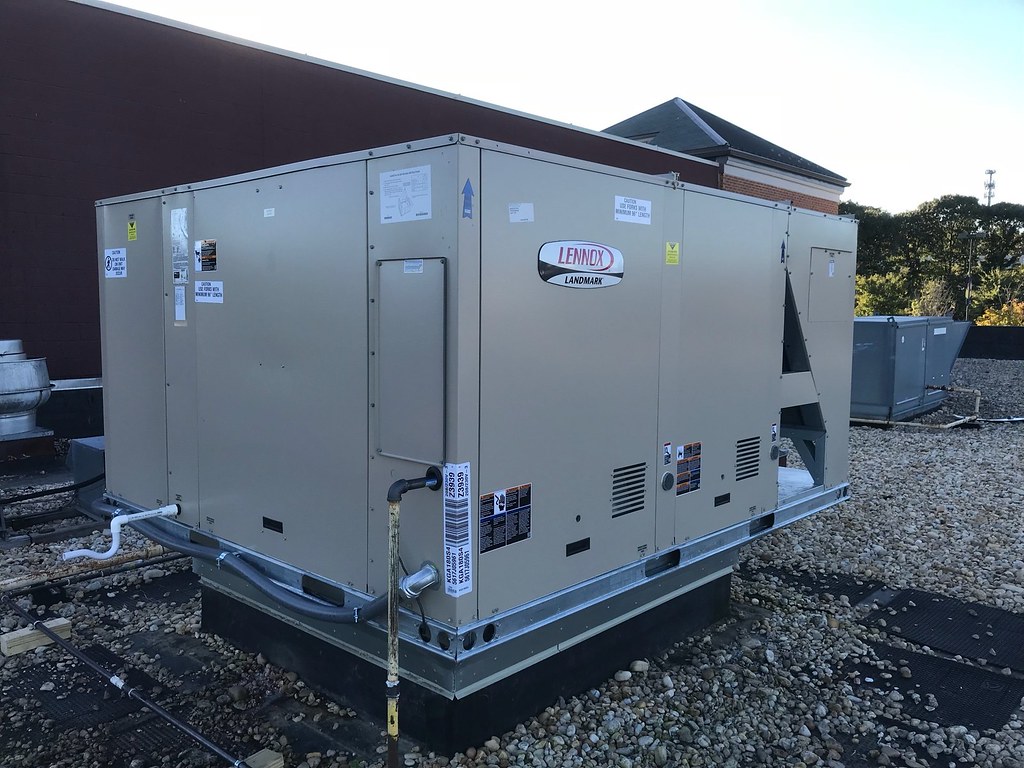
If you operate ten, fifty, or five hundred commercial locations, your HVAC line item tells a story. For most multi-site brands, that story reads the same way: a long list of emergency calls, overtime rates, and rooftop unit replacements that arrived years earlier than they should have.
The pattern is almost always the same — reactive-only maintenance. Nothing gets touched until a store manager calls because the dining room is 85 degrees on a Saturday.
The real cost of running to failure
Emergency HVAC service costs more in every direction at once:
- Premium labor. After-hours and weekend emergency rates typically run 1.5–2x standard rates.
- Collateral damage. A failed compressor that limps for weeks strains electrical components, contaminates refrigerant lines, and can take out the whole unit.
- Lost revenue. A restaurant dining room without AC in July isn't just uncomfortable — it's empty.
- Shortened equipment life. Rooftop units (RTUs) that never get coil cleanings or filter changes routinely fail 3–5 years early. On a $12,000–$25,000 replacement, that's the most expensive line of all.
Industry data consistently shows preventive maintenance returning multiples of its cost — not by eliminating repairs, but by converting expensive emergencies into scheduled, standard-rate work.
What a real PM program looks like
A preventive maintenance program for multi-site HVAC isn't complicated. It's disciplined:
- Quarterly or seasonal visits timed before peak load — spring before cooling season, fall before heat.
- Filter programs on a fixed cadence. The cheapest insurance in the industry.
- Coil cleaning — condenser and evaporator. Dirty coils are the number one driver of high energy bills and compressor strain.
- Refrigerant checks and leak detection before small leaks become failed compressors.
- Belt, motor, and electrical inspection with photo documentation.
- Documented close-out reports so every unit has a service history you can actually audit.
That last point matters more than operators realize. When every visit is photo-verified and logged per unit, replacement decisions stop being guesses. You know which RTU at which site is on its last season — and you can budget for it instead of getting ambushed.
The multi-site problem: consistency
Any decent local mechanical contractor can maintain one building. The multi-site challenge is different: 80 locations across 14 states means 80 different techs, 80 different definitions of "we checked the unit," and no unified record of any of it.
That's the gap a facility management partner closes:
- One PM calendar across every location, scheduled around store hours.
- One standard scope — the same checklist in Tampa as in Tulsa.
- One reporting layer — every filter change, coil cleaning, and repair in one system with photos and timestamps.
- One phone call when something does break, with SLA-backed emergency dispatch.
Where to start
If your HVAC spend is 100% reactive today, you don't have to boil the ocean. Start with:
- An asset inventory — every unit, age, tonnage, and condition, gathered during a first round of site visits.
- Filters and coils on a schedule — the highest-ROI work.
- Seasonal readiness checks at your most weather-exposed sites.
- Track everything. Six months of data will show exactly which sites and units drain your budget.
Reactive repairs will never disappear — equipment breaks. But brands that pair a disciplined PM program with fast, tracked emergency response consistently spend less per site per year than reactive-only operators, and they replace equipment on their own schedule instead of the equipment's.
VXO Services runs preventive maintenance and emergency HVAC programs for multi-site commercial brands nationwide — rooftop units, refrigeration, and every trade around them — all tracked in one platform with photo-verified close-outs. Get in touch or submit a ticket if you're already a client.