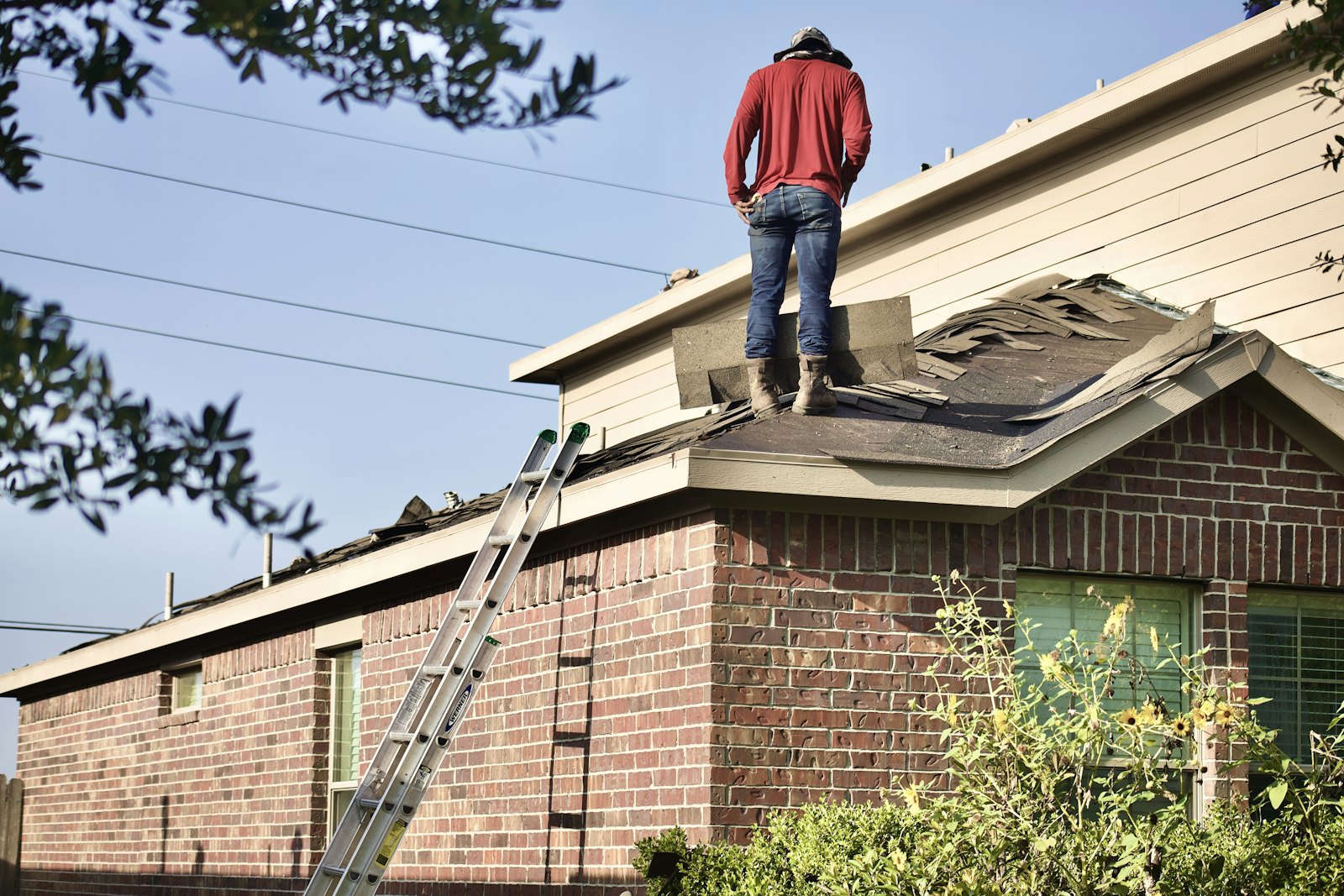
Hurricane season doesn't end when the storm does. For a multi-site retail or restaurant operator, the real test starts the moment winds drop below tropical-storm strength and someone hands you a flashlight and a clipboard. The properties that reopen fastest — and avoid the worst secondary damage — aren't the ones with the most budget. They're the ones with a plan for the first 72 hours.
Here's the playbook we run with clients across Florida and the Gulf Coast every storm season.
Hour 0–6: Safety and Access, Not Repairs
Before anyone touches a work order, the only question that matters is: can people safely get on-site?
- Confirm downed power lines, standing water depth, and structural hazards (leaning signage, loose parapet caps, exposed roof decking) with local authorities or first responders before sending anyone in.
- If the property has a generator, verify fuel and run it only for life-safety systems (fire panels, egress lighting) until an electrician has cleared the main service.
- Photograph the exterior from a safe distance — parking lot, roofline, signage, HVAC curbs — before anything gets moved, tarped, or cleaned up. This is your baseline for insurance and any later disputes with tenants or contractors.
- Do not run standing generators or portable equipment inside enclosed spaces. Carbon monoxide incidents spike in the 48 hours after major storms.
Nothing in this window should involve vendors doing repair work. It's assessment and containment only.
Hour 6–24: Triage, Not Full Scope
Once the site is safe to enter, the goal is stopping active damage — not fixing everything.
Priority order that actually saves money:
- Roof and envelope breaches. A missing membrane section or blown-off unit curb left open for 24 hours turns a $3,000 patch into a $30,000 interior rebuild. Tarp and dry-in first.
- Standing water and moisture. Extract water from sales floors, back-of-house, and mechanical rooms immediately. Mold colonization starts within 24–48 hours in humid climates — this is not a "we'll get to it Monday" item.
- Refrigeration and food safety. For restaurant and grocery tenants, walk-in coolers and freezers on generator or grid power need immediate temperature checks. Document readings; health departments will ask.
- Signage and life-safety systems. Loose channel letters, damaged monument signs, and non-functioning exit lighting are liability exposure, not cosmetic issues.
This is also when you triage vendors. A center with 15 tenants and one roof leak needs a roofer, not five different trades converging at once. Sequencing avoids the chaos of six trucks fighting for the same parking lot access.
Hour 24–72: Documentation Discipline
This is the window where facility teams either protect themselves or create a paperwork nightmare that drags on for months.
- Photo-document everything before and after every repair, with timestamps. Insurance carriers and landlord-tenant disputes both live and die on whether you can prove the sequence of events.
- Get COIs before any vendor sets foot on-site, storm or not. An uninsured contractor doing emergency tarping on your roof is exactly the kind of exposure that turns a weather event into a lawsuit.
- Log every temporary fix as temporary. A tarp, a plywood board over a broken window, a generator running a walk-in — note the date it went up and flag it for permanent repair. Temporary fixes that quietly become permanent are how facility teams get blindsided six months later.
- Track tenant communication. If a shopping center has 20 tenants, a simple shared log of who's been notified, what's been inspected, and what's still pending saves the property manager from fielding the same fifteen phone calls in a different order all day.
By hour 72, you should have: a damage inventory with photos, a sequenced repair plan by trade, active mitigation on the worst exposures (roof, water, refrigeration), and a documentation trail an adjuster or attorney could follow without a single phone call to you.
The Real Lesson: Plan Before the Season, Not During the Storm
Every property that recovers cleanly did the boring work in June, not September. That means a pre-vetted bench of roofers, electricians, water mitigation crews, and generator techs who already have current COIs on file — not a scramble through Google searching for anyone who'll answer the phone during a regional event.
It also means knowing, before the storm, who has authority to approve emergency spend above the normal NTE limit, so a $4,000 tarp job doesn't sit unapproved for two days while water keeps getting in.
If your recovery plan currently lives in someone's head instead of a shared playbook, that's the gap to close before the next storm — not after.
Want a facility partner who already has vetted trades on standby across your markets, before the next storm hits? Talk to VXO about building a storm-ready vendor bench, or log in to the VXO client portal to see how work orders and documentation flow in real time.