Every facility conference this year has an AI panel, and every vendor deck has an AI slide. If you manage HVAC across dozens or hundreds of commercial sites, the honest question isn't "is AI the future?" — it's "what does it change for my portfolio this year?"
Here's the grounded version.
Where AI is already earning its keep
Smarter dispatch and triage. The fastest win isn't on the rooftop — it's in the workflow. When a ticket comes in ("Suite 200 is hot"), AI-assisted triage can read the description, classify the trade, flag urgency, and match the request to the right technician by skill, distance, and track record — in seconds instead of a coordinator's afternoon. That's not science fiction; it's how modern field service platforms (including the one VXO runs on) already route work.
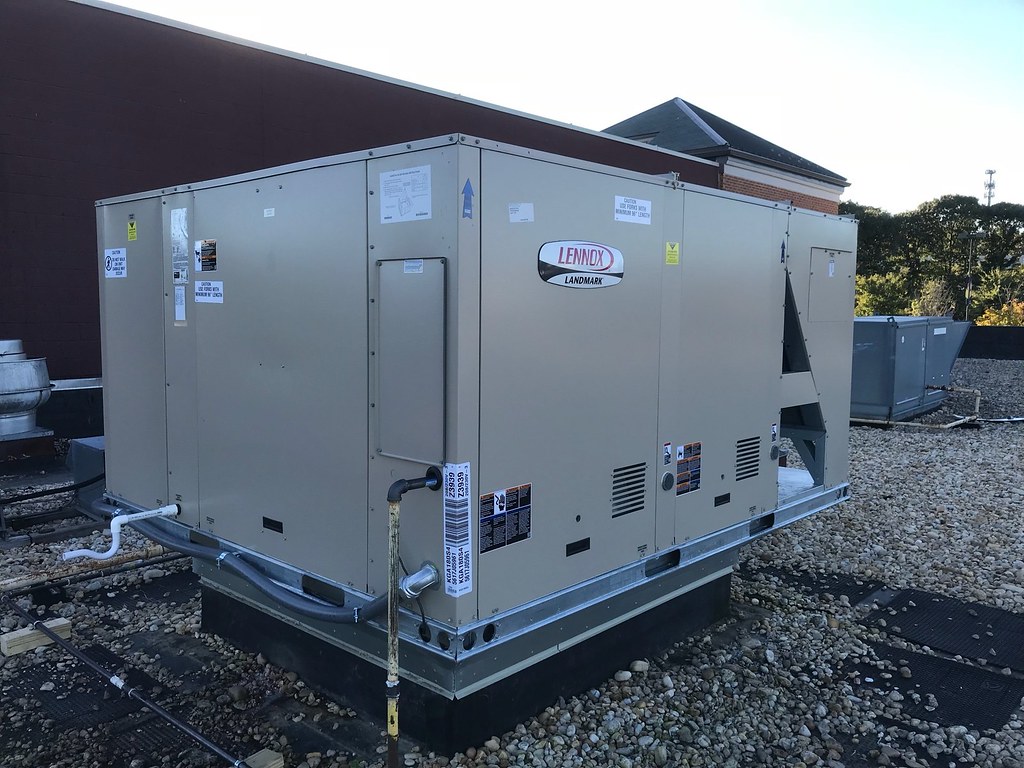
Fault detection and diagnostics (FDD). Rooftop units generate signals long before they fail: short-cycling, drifting discharge temperatures, rising amp draw. AI-driven FDD tools watch that telemetry and flag "this compressor is working 30% harder than last July" while the space still feels fine. For multi-site operators, that turns emergency calls into scheduled repairs — the single most valuable trade in facilities.
Energy optimization. Machine-learning building controls that adjust setpoints against occupancy, weather, and utility rates are consistently delivering meaningful HVAC energy savings in commercial buildings. If your portfolio pays the utility bills, this is often the fastest ROI in the entire AI conversation.
Predictive maintenance planning. Feed a model three years of work orders and it gets good at answering: which units, at which sites, are most likely to fail next quarter? That changes capital planning from gut feel to a ranked list.
Where the hype outruns reality
- AI doesn't swing a wrench. A seized condenser fan motor still needs a competent tech on a roof with the right part. Labor scarcity in the trades is the real bottleneck, and no model fixes that.
- Garbage in, garbage out. FDD and prediction need data — unit inventories, service history, sensor feeds. A portfolio that runs on emailed PDFs has nothing to learn from. The unglamorous prerequisite for AI is simply tracking your work in a system.
- Black-box pricing. Some providers use "AI" as seasoning on the same old markup. Ask any vendor one question: what data does it use, and what decision does it change? No clear answer, no value.
What a multi-site operator should actually do
- Digitize the workflow first. Every ticket, every asset, every close-out photo in one platform. This is the foundation everything else stands on.
- Pilot FDD on your worst sites. Pick the ten locations with the highest HVAC spend and instrument those first.
- Let AI handle triage and routing. It's cheap, proven, and shaves hours off every response.
- Keep humans on judgment calls. Quote approvals, repair-vs-replace decisions, vendor selection — assisted by data, decided by people.
The brands that win this decade won't be the ones with the flashiest AI slide. They'll be the ones whose maintenance data is clean enough for AI to actually use.
VXO Services runs commercial HVAC programs on its own AI-assisted field service platform — smart dispatch, tracked assets, photo-verified close-outs — for multi-site brands nationwide. Get in touch or submit a ticket — no login required.